
When Hardwood Floors Don’t Need Refinishing: The Case for Screen & Recoat
 john_master
Hardwood floors can lose their shine and clarity over time, even when the wood itself is still in great condition. Light scratches, foot traffic, and everyday wear often affect the protective finish long before the floor actually needs sanding.
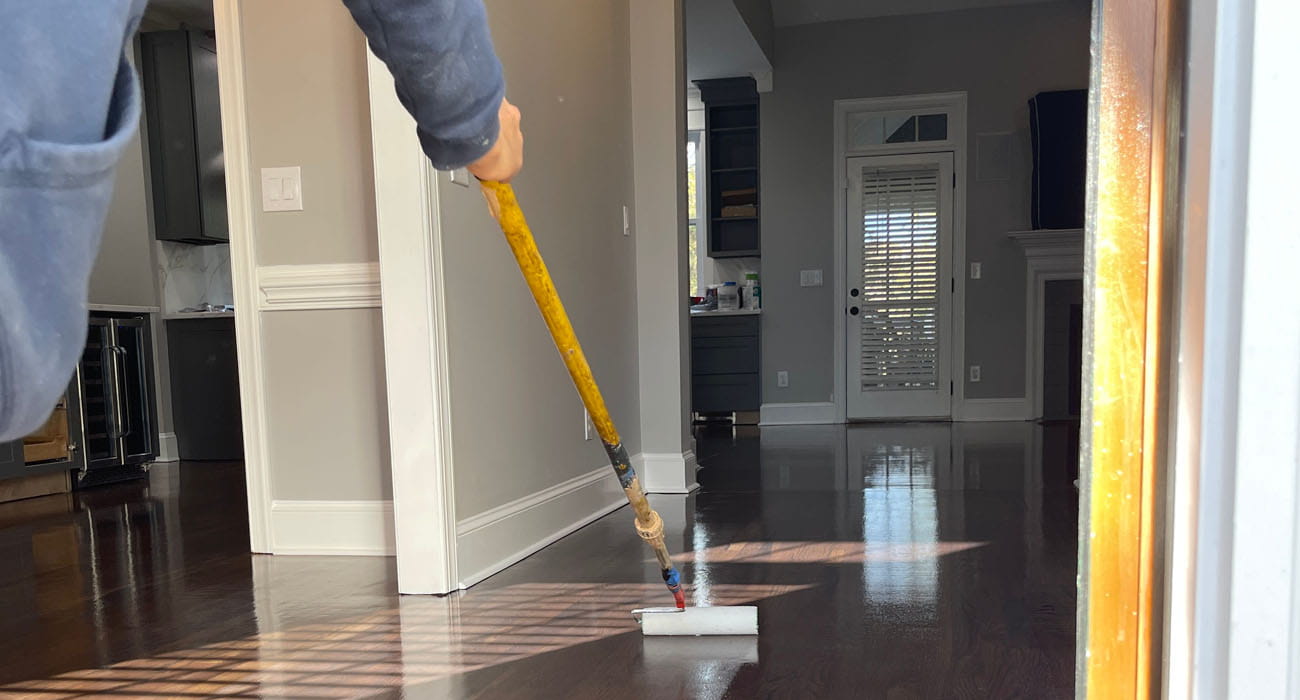
This is where a Screen & Recoat becomes the right solution. Also known as Buff & Re-Coat, this maintenance-focused service restores protection and appearance without the disruption of full refinishing.
When Hardwood Floors Don’t Need Refinishing: The Case for Screen & Recoat
Understanding Surface Wear vs. Floor Damage
Not all signs of wear indicate that hardwood floors are damaged. In many homes, daily activity gradually wears down the finish while leaving the wood beneath intact. This surface-level wear is common in hallways, living areas, and kitchens.
Homeowners considering long-term hardwood flooring solutions benefit from identifying this difference early, as it allows for less invasive maintenance instead of full restoration.
What Is a Screen & Recoat?
A Screen & Recoat is a process that lightly abrades the existing finish and applies a new protective topcoat. Unlike sanding, it does not remove wood or change the floor’s stain color.
This service is ideal for floors that show dullness or light scratching but still have a solid finish base. The goal is to renew protection and restore a clean, uniform appearance.
When Screen & Recoat Is a Better Choice Than Refinishing
Refinishing is not always required to improve the look of hardwood floors. Screen & Recoat is often the better option when the finish is worn but there is no exposed bare wood or deep structural damage.
Many homeowners find that Buff & Re-Coat hardwood floor services deliver noticeable results with less downtime, minimal dust, and a faster turnaround.
According to industry guidance from Wood Floor Business, timely recoating helps prevent finish wear from progressing into the wood itself.
Benefits of Addressing Finish Wear Early
Choosing Screen & Recoat at the right time helps preserve hardwood floors and maintain consistent appearance across connected spaces. It also reduces the need for more extensive restoration later.
Additional benefits include lower cost compared to refinishing, faster project completion, and minimal disruption to daily routines. Many manufacturers, including Bona, recommend periodic recoating as part of proper hardwood floor care.
When Refinishing or Repair May Still Be Needed
Screen & Recoat is not suitable for every floor. Deep scratches, exposed bare wood, water damage, or uneven surfaces may require sanding or targeted restoration.
In some cases, localized issues can be resolved through professional hardwood floor repair services without committing to a full refinishing project.
Why Professional Evaluation Matters
Determining whether a floor needs refinishing or a Screen & Recoat depends on finish condition, adhesion, and overall wear patterns. A professional assessment ensures the correct service is applied at the right time.
Homeowners working with Majestic Hardwood Floors receive guidance based on floor condition, lifestyle needs, and long-term maintenance goals.
Choosing Maintenance Over Major Restoration
Hardwood floors don’t always need aggressive sanding to look their best. When finish wear is addressed early, Screen & Recoat provides a practical way to restore protection, appearance, and value.
Understanding when refinishing isn’t necessary allows homeowners to make informed decisions that protect both their floors and their investment.
Recommended Posts

When to Sand vs When to Replace: A Decision Guide for Homeowners
October 17, 2025
How Buff and Coat Services Extend the Life of Hardwood Floors
November 26, 2024