

What Happens When Hardwood Floor Refinishing Is Delayed for Too Long?
 john_master
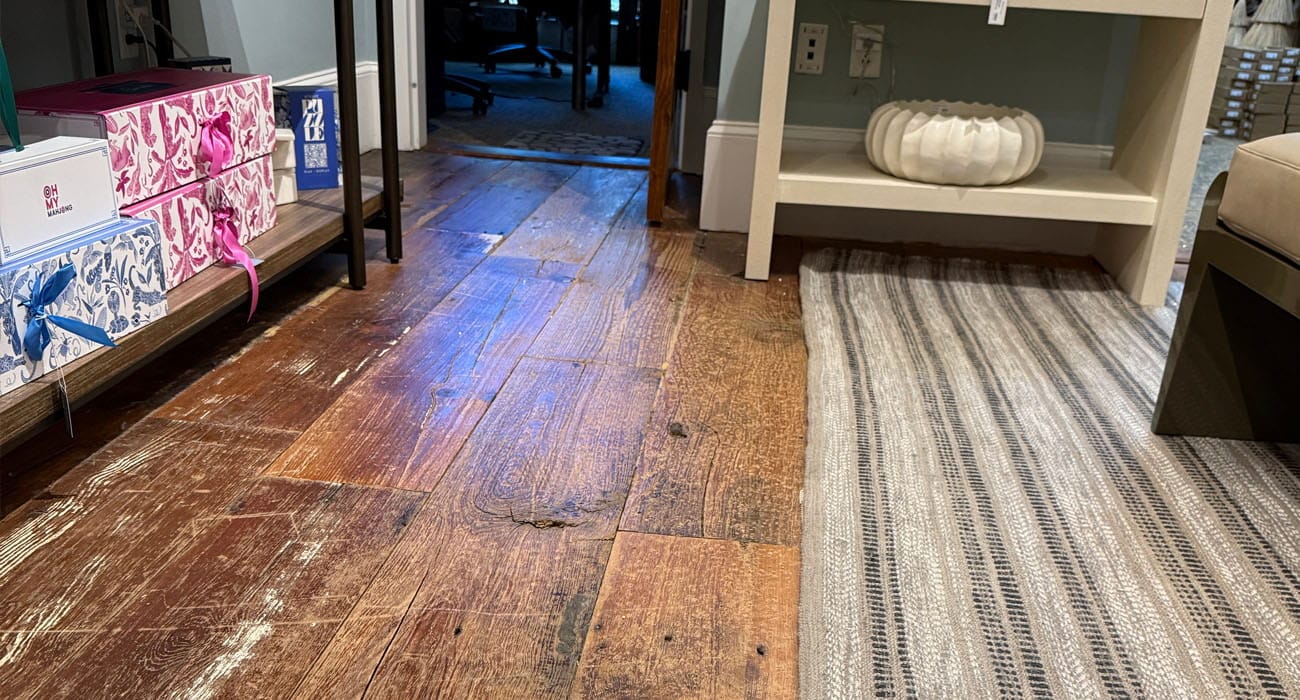
 Hardwood floors are protected by a finish designed to withstand daily use, foot traffic, and environmental exposure. Over time, this protective layer gradually wears down, changing how the floor surface looks and performs.
When hardwood floor refinishing is delayed for extended periods, natural wear patterns become more noticeable. Understanding how floors change over time helps homeowners recognize the role refinishing plays in long-term floor preservation.
What Happens When Hardwood Floor Refinishing Is Delayed for Too Long?
How Hardwood Floor Finishes Change Over Time
Hardwood floor finishes act as a barrier between the wood and everyday activity. As this layer experiences repeated contact, minor abrasions and surface dulling naturally occur.
Without refinishing, the protective coating continues to thin, allowing wear patterns to become more visible across frequently used areas of the floor.
Surface Wear and Exposure Patterns
As finish wear progresses, hardwood surfaces may begin to show variations in sheen, texture, and coloration. High-traffic zones such as entryways, hallways, and living areas typically display these changes first.
Over time, consistent exposure can affect how evenly the floor reflects light and responds to cleaning or maintenance routines.
Moisture Interaction With Unprotected Wood
When a finish layer becomes worn, hardwood floors may be more directly exposed to ambient moisture from humidity, spills, or routine cleaning. This interaction can influence how the wood fibers respond to environmental conditions.
Homes in regions like Charlotte, NC, experience seasonal humidity fluctuations, which can further impact hardwood surfaces that no longer have full finish protection.
Progression From Surface Wear to Structural Changes
While early wear is primarily cosmetic, prolonged exposure can gradually affect the upper wood layer beneath the finish. At this stage, surface marks may become more pronounced and less responsive to routine cleaning.
Professional refinishing and sanding services are typically used to restore surface protection and uniform appearance when these changes become widespread.
Refinishing Options as Floors Continue to Age
The condition of the floor surface often determines which refinishing method is appropriate. In cases where finish wear is still limited to the surface layer, lighter maintenance options may be sufficient.
More advanced wear patterns may require full refinishing rather than a simple buff and re-coat hardwood floor process.
Industry Perspective on Floor Finish Maintenance
According to the National Wood Flooring Association, maintaining a protective finish is a key factor in preserving the appearance and longevity of hardwood flooring over time.
Refinishing helps renew the surface barrier that shields hardwood floors from everyday wear and environmental exposure.
Planning for Long-Term Hardwood Floor Care
Understanding how hardwood floors change when refinishing is delayed allows homeowners to better plan maintenance based on floor condition rather than visible appearance alone.
With proper evaluation and timing, refinishing supports both the visual consistency and long-term performance of hardwood flooring throughout the home.
I’m impressed by the intuitive UI. I’ll definitely continue using it. The dashboard gives a complete view of my holdings.
The exploring governance process is simple and the quick deposits makes it even better.
Fees are low fees, and the execution is always smooth. Perfect for both new and experienced traders.
Fast onboarding, robust security, and a team that actually cares. Charts are accurate and load instantly.
The best choice I made for using the API. Smooth and clear transparency.