
7 Signs It’s Time to Recoat or Replace Your Hardwood Floors
 john_master
 Most homeowners in Charlotte know when a room needs a fresh coat of paint.
They notice faded walls, outdated cabinet hardware, or furniture that no longer fits the space. They refresh, renovate, and redecorate with confidence.
But hardwood floors? Those often get overlooked—even when they’re quietly telling you something important.
The truth is, your floors communicate their condition every single day. The scratches you’ve stopped noticing. The finish that no longer catches the light. The boards that shift slightly underfoot. These aren’t just cosmetic quirks—they’re signals.
Knowing how to read those signals can save you thousands of dollars and help you make the right call at the right time, whether that means a simple recoat or a full replacement.
Here are the seven signs it’s time to recoat or replace your hardwood floors—and what each one actually means for your home.
The Warning Signs Most Charlotte Homeowners Miss Until It’s Too Late
1. The Finish Looks Dull No Matter How Much You Clean
There’s a difference between a dirty floor and a floor that’s lost its finish.
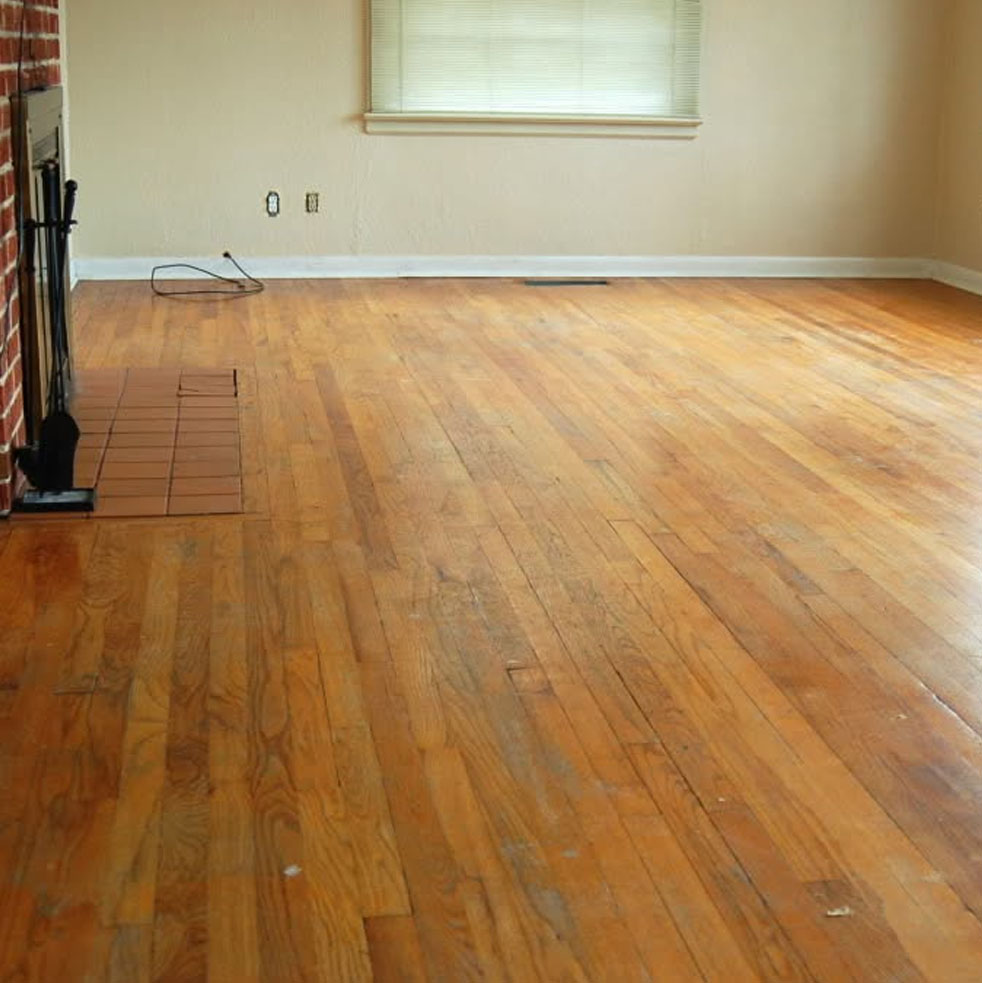
When mopping and buffing no longer bring back the shine, it’s usually a sign that the protective topcoat has worn away. At that point, you’re not dealing with surface grime—you’re seeing the raw wood beneath, which is far more vulnerable to damage.
A dull, flat appearance across large sections of your floor is one of the clearest indicators that it’s time to recoat. The good news is that this is one of the most affordable and effective fixes available.
Homeowners across Charlotte and surrounding communities like Ballantyne and SouthPark often discover that a professional recoat completely transforms how their floors look—without the cost of sanding or replacement.
2. You Notice Scratches and Surface Wear in High-Traffic Areas
Entryways, hallways, kitchens, and living rooms take a beating over time.
Fine scratches and scuff marks are a normal part of life. But when those marks become widespread or start cutting through the finish into the wood itself, it’s time to take action.
How deep the damage goes determines your next step:
- Light surface scratches: A recoat or screen-and-recoat can handle these effectively
- Scratches that reach the wood: Sanding and refinishing is usually the right approach
- Deep gouges or structural damage: Spot repair or board replacement may be necessary
If you’re unsure which category your floors fall into, a professional assessment will give you a clear answer without any guesswork.
3. Water No Longer Beads on the Surface
A simple test can tell you a lot about the health of your hardwood floor’s finish.
Sprinkle a few drops of water on the surface. If the water beads up and sits on top, your finish is still doing its job. If it soaks in quickly or leaves a dark spot, the protective layer has broken down.
This matters more than most homeowners realize. Hardwood and moisture are natural enemies. Once the finish fails, wood becomes susceptible to warping, staining, and long-term structural damage that goes far beyond appearances.
Catching this early—before moisture works its way into the boards—is one of the most important reasons to recoat on schedule rather than waiting until visible damage appears.
4. The Color Looks Faded or Uneven Across the Floor
Sunlight, foot traffic, and years of daily use gradually change the way hardwood floors look.
You might notice that areas near windows appear lighter than the rest of the room. Or that high-traffic zones have taken on a different tone than sections covered by rugs or furniture.
This kind of fading and color inconsistency signals that the finish has worn unevenly—and in many cases, that the wood beneath has been affected as well.
Homeowners who want to restore a consistent, beautiful appearance throughout their space often turn to professional refinishing combined with custom stain and color selection to bring the floor back to life with a look they actually love.
5. Boards Are Warping, Cupping, or Creaking Underfoot
When hardwood floors start to move, something more serious is going on.
Boards that cup along the edges, warp upward in the center, or creak with every step are showing signs of moisture damage, subfloor issues, or structural wear that goes beyond surface-level problems.
- Cupping: Edges of boards are higher than the center, often caused by moisture imbalance
- Crowning: The center of the board is higher than the edges, typically from moisture absorbed from above
- Persistent creaking: Can indicate loose subfloor connections or boards that have shifted over time
These issues require more than a recoat. Depending on the extent of the damage, professional repair, sanding, or board replacement may be needed. Addressing them promptly protects not just your floors but the structural integrity beneath them.
Charlotte homeowners dealing with these conditions should consult a specialist before the problem spreads.
6. You’ve Already Refinished the Floors Multiple Times
Hardwood floors can be sanded and refinished multiple times over their lifespan—but not indefinitely.
Each sanding removes a thin layer of wood. Solid hardwood floors typically allow for several rounds of refinishing before the boards become too thin to sand again safely. Engineered hardwood has a thinner wear layer, so the number of possible refinishes is more limited.
If your floors have been refinished several times already, the next step before scheduling another round is to assess the remaining wood thickness. A flooring professional can measure this and tell you whether refinishing is still a viable option or whether replacement makes more financial sense long-term.
In many cases, Charlotte homeowners who replace aging floors that have been refinished to their limit find that new hardwood installation delivers better results, greater longevity, and stronger home value than another refinishing cycle would.
7. The Floors No Longer Match the Feel of Your Home
Sometimes the issue isn’t damage.
It’s that the floors simply no longer reflect who you are or how you want your home to feel.
An older stain that felt modern a decade ago may now feel dated. A worn finish that blended into the background when you first moved in might now stand out in a way that bothers you every day. The rest of your home has evolved—but the floors haven’t kept up.
This is a completely valid reason to refinish or replace your hardwood floors, and it’s more common than you might think.
Updating your floors doesn’t just change the look of a room. It changes how the entire home feels. That shift—from something that feels tired or mismatched to something that feels cohesive and welcoming—is one of the most satisfying improvements a homeowner can make.
Recoat vs. Refinish vs. Replace: How to Know Which Option Is Right
These three options are not interchangeable, and choosing the wrong one can cost you time and money.
A recoat applies a fresh layer of finish over the existing one. It’s the least invasive option and works well when the finish has worn but the wood itself is in good condition.
A refinish involves sanding down to bare wood, then applying new stain and finish. It addresses deeper scratches, color changes, and uneven wear that a recoat can’t correct.
Replacement becomes necessary when boards are structurally compromised, too thin to sand safely, or damaged beyond repair. It’s also the right choice when you want a completely new species, width, or look.
If you’re unsure where your floors fall on that spectrum, a professional evaluation is always the clearest path forward. Wood floor restoration specialists can assess the condition of your floors and give you an honest recommendation based on what’s actually there—not what’s easiest to sell.
Why Timing Matters More Than Most Homeowners Realize
Hardwood floors don’t fail all at once.
They wear gradually, often in ways that are easy to dismiss season after season. A scratch here, a dull patch there, a board that creaks a little more than it used to. Each of these things on its own feels minor. Together, over time, they add up, especially when everyday wear is not supported by proper hardwood floor care habits.
The homeowners who get the most out of their hardwood floors—and spend the least on unexpected repairs—are the ones who pay attention to these early signals and act before small issues become large ones.
Whether you’re in Charlotte’s Dilworth neighborhood, the Lake Norman area, or anywhere in between, addressing floor concerns at the right stage of wear is almost always less expensive and less disruptive than waiting until the damage is obvious.
Give Your Floors the Attention They Deserve
Your floors are one of the largest surfaces in your home—and one of the most influential ones.
They shape how every room feels. They set the tone the moment someone steps through the door. They quietly affect your comfort and satisfaction every single day, even when you’re not consciously thinking about them.
Recognizing the signs that your hardwood floors need attention is the first step. Acting on those signs—whether with a recoat, a refinish, or a full replacement—is what brings that potential back to life.
Because floors that look and feel the way they should don’t just improve a room. They improve the way you experience your home, every day.
Recent Posts
Why You Should Replace Your Carpet with Wooden Flooring
June 30, 2026